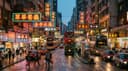
nei4 maan6瀰漫弥漫
Jyutpingnei4 maan6
Yalenèih maahn
Definition
To spread all over and fill the air, usually referring to smoke, mist, or odor.
writtendescriptionsother
How it's used
While often used for physical smoke or fog, this term is frequently applied metaphorically to abstract concepts like tension, sadness, or a specific scent. It carries a slightly formal or literary tone compared to everyday verbs like 充滿. You will rarely hear it in casual, rapid-fire speech, as it is more common in descriptive writing or formal reporting.
Examples
The whole room is filled with the smell of smoke.
The air is filled with a tense atmosphere.
Related words
Common mistake
Do not confuse this with 彌漫, which is a common typo for the same word. Also, avoid using it for physical objects that are not gases or intangible qualities; you cannot say a room is 瀰漫 with furniture.
Grammar color guide
Noun
Verb
Adjective
Adverb
Pronoun
Classifier
Particle
Connector
Grammar guides
- TonesCantonese has six tones, and the tones can change in certain grammatical contexts. Learn the six tones and the rules for tone change.
- Time and datesClock time, days of the week, months, and years. The patterns you need to make plans and talk about when things happen.
- Modal verbsHow to say can, will, may, should, must, and want. The core modal verbs of Cantonese and the differences that trip up beginners.