fong1 mou4荒蕪荒芜
Jyutpingfong1 mou4
Yalefōng mòuh
Definition
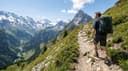
Desolate, abandoned, and overgrown with weeds.
neutralplacesdescriptions
How it's used
Focuses on the visual state of land that has been left untended, specifically implying that weeds or wild plants have taken over. It carries a sense of neglect and emptiness that feels slightly more literary or descriptive than plain words for empty places. When describing a place that is simply quiet or lacks people, other terms like 靜 or 冇人 are more natural choices.
Examples
That place is so desolate, there is not even a path.
Why is this place so desolate?
Related words
Common phrases
desolate and uninhabited
Common mistake
Do not use this to describe a place that is simply quiet or lacks people, as it specifically implies the presence of overgrown vegetation or physical decay. Using it for a busy but quiet office or a library would sound unnatural.
Grammar color guide
Noun
Verb
Adjective
Adverb
Pronoun
Classifier
Particle
Connector
Grammar guides
- LocationHow to say where something is using 喺 (hai2), place words like 度, and the common coverbs that work like English prepositions.
- Serial verbsStringing two or more verbs together without any joining word, like go to the shop buy things. Extremely common in Cantonese.
- 將 disposalHow to move the object in front of the verb with 將, to focus on what happens to it. Common in instructions and writing.