cing1 haan4清閒清闲
Jyutpingcing1 haan4
Yalechīng hàahn
Definition
Leisurely and quiet; not busy; having plenty of free time.
colloquialdaily actionsdescriptions
How it's used
Focuses on the state of having little to do or being undisturbed, often implying a sense of relaxation or ease. It is frequently used to describe a job or a period of time where the pressure is low, rather than just being bored. Unlike words that imply laziness, this carries a positive connotation of tranquility.
Examples
Life is very carefree after retirement.
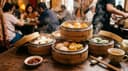
Since you are free today, why don't we go for dim sum?
Related words
Common phrases
a carefree life
a job with little workload
Common mistake
Do not confuse this with 輕鬆, which refers to feeling relaxed or lighthearted. While they overlap, 輕鬆 describes a state of mind or the difficulty of a task, whereas 清閒 specifically refers to the lack of busy work or obligations.
Grammar color guide
Noun
Verb
Adjective
Adverb
Pronoun
Classifier
Particle
Connector
Grammar guides
- NegationHow to say no, not, didn't, and don't in Cantonese. The four main negation words and when to use each one.
- Numbers and moneyCounting, talking about money, and asking how much things cost. Includes the two words for two and the everyday words for dollars and cents.
- Aspect markersCantonese has no tenses, but it does have aspect markers. Learn how zo2, gwo3, gan2, and hai2 dou6 show completion, experience, and ongoing action.