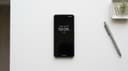
zing6 taai3靜態静态
Jyutpingzing6 taai3
Yalejihng taai
Definition
Static state; a state of rest, or activities requiring little physical movement.
neutraldaily actionsdescriptions
How it's used
Used primarily to describe activities or lifestyles that do not involve much physical movement, such as reading, painting, or office work. It acts as a direct contrast to 動態, which implies high energy or physical engagement. While it can describe a physical state of stillness, it is most frequently applied to categorizing types of leisure or work environments.
Examples
This activity is quite static, you don't really need to move.
Do you prefer static hobbies or do you like sports?
Related words
Common mistake
Avoid using this to describe a person who is quiet or reserved, as that would be 靜 or 文靜. Using 靜態 to describe a person's personality sounds like you are calling them an inanimate object.
Grammar color guide
Noun
Verb
Adjective
Adverb
Pronoun
Classifier
Particle
Connector
Grammar guides
- In 30 secondsThe whole language at a glance. No tenses, no plurals, six tones, sentence particles. Read this before you dive into any specific topic.
- ParticlesSentence particles add tone, emotion, and nuance. Learn the most common particles in Cantonese and how to use them.
- Possession (嘅)How to say my, your, and his, and how to link a describing word to a noun, all with the little word 嘅 (ge3).