
Cantonese for expat kids in Hong Kong: how to help your children learn
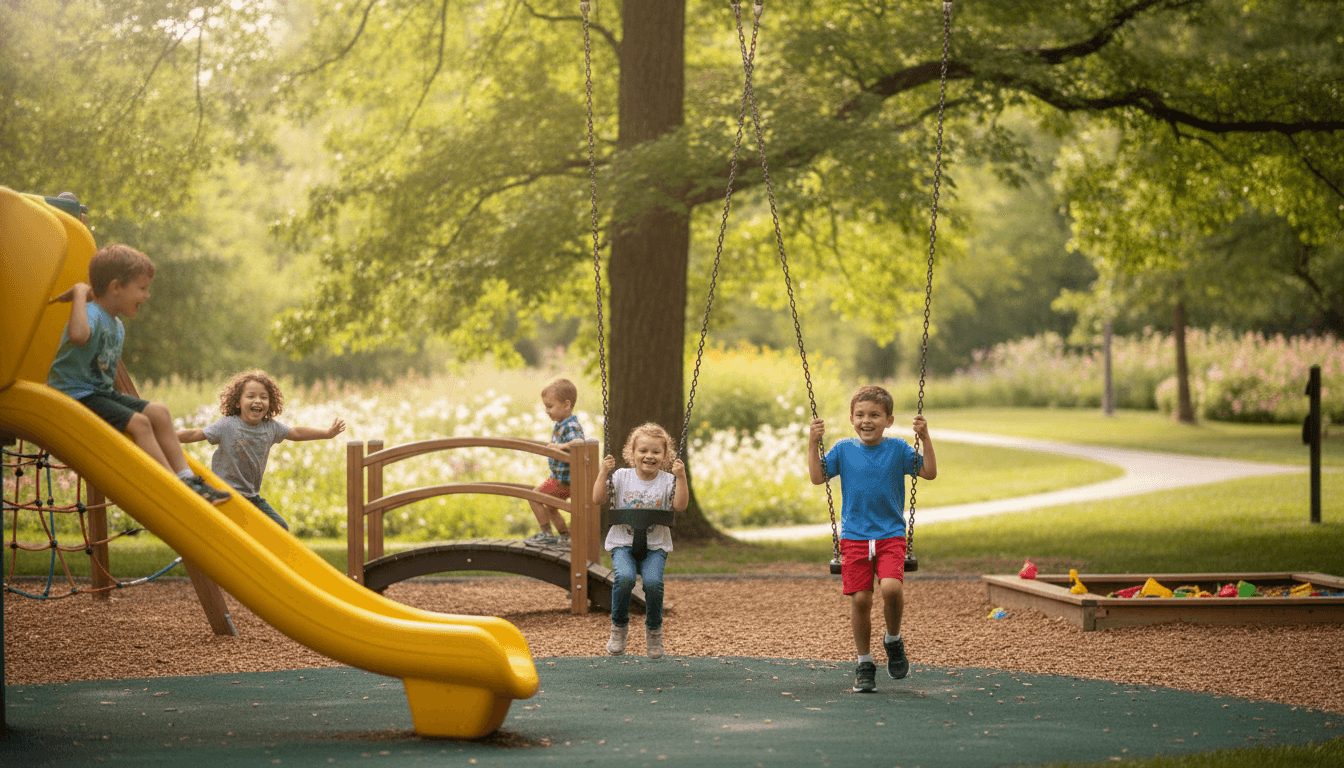
Expat children in Hong Kong can pick up Cantonese much faster than adults, and even a little helps them make friends, settle into school, and feel at home. The good news for parents: you do not need to speak Cantonese yourself to support them. What matters most is regular, playful exposure and a few simple tools.
This guide shows you how to build that exposure into everyday family life, with fun words to start today.
Why should expat kids learn Cantonese?
Because it helps them belong. Children who understand a little Cantonese connect more easily with local friends, classmates, helpers, and grandparents of friends, and they navigate Hong Kong with more confidence. Learning a tonal language young also builds listening skills that make future languages easier.
The main benefits for children:
- Faster friendships with local kids and neighbours.
- A smoother start at school and after-school activities.
- Cultural connection to the city they are growing up in.
- A strong foundation if they continue Chinese studies later.
Is it too late for my child to learn Cantonese?
No. Younger children absorb sounds and tones very naturally, but there is no age at which it becomes too late. Older kids and teenagers learn differently, more through structure and interest, but they can still reach a comfortable level with regular practice. The best time to start is now, whatever your child's age.
How can you help your child learn Cantonese at home if you do not speak it?
Focus on exposure and play, not formal lessons. Your job as a parent is to make Cantonese a normal, fun part of daily life, not to teach it perfectly yourself. Children learn languages through repetition, songs, and real situations.
Simple things that work:
- Label everyday objects and name them in Cantonese during your routine.
- Play Cantonese songs and cartoons during downtime.
- Set up playdates with Cantonese-speaking children.
- Use a kid-friendly app together for a few minutes a day.
- Praise every attempt, even a single word, so your child stays confident.
Learning alongside your child also helps. Apps like YumCha use native Hong Kong audio and short lessons, so a parent and child can practice a few words together even if neither of you started with any Cantonese.
Fun Cantonese words and phrases for children
Start with words tied to things kids already love: family, food, and play. Each shows the characters and Jyutping romanization.
Family words
- Dad: 爸爸 (baa4 baa1)
- Mum: 媽媽 (maa4 maa1)
- Older brother: 哥哥 (go4 go1)
- Older sister: 姐姐 (ze4 ze1)
- Grandma: 婆婆 (po4 po4)
- Grandpa: 公公 (gung1 gung1)
Food and snacks
- Water: 水 (seoi2)
- Rice or a meal: 飯 (faan6)
- Apple: 蘋果 (ping4 gwo2)
- Milk: 牛奶 (ngau4 naai5)
- Yummy: 好食 (hou2 sik6)
Play and everyday words
- Hello: 你好 (nei5 hou2)
- Bye bye: 拜拜 (baai1 baai3)
- Fun: 好玩 (hou2 waan2)
- Let us play together: 一齊玩 (jat1 cai4 waan2)
- Well done: 叻叻 (lek1 lek1)
How much Cantonese should you expect at each age?
Expect understanding to come before speaking, and progress to depend on exposure more than age. A rough guide:
- Toddlers and preschoolers: absorb sounds quickly, often understand more than they say, and copy tones naturally.
- Primary age: learn words fast when tied to games, songs, and friends.
- Teenagers: progress best with clear structure, goals, and topics they find interesting.
Every child is different, so treat these as gentle expectations rather than targets.
A simple routine to build the habit
- Pick three new words each week, tied to your child's interests.
- Use them in real moments, at meals, at bath time, at the park.
- Do five minutes of a fun app lesson together most days.
- Celebrate every word your child uses, and keep it light.
Consistency beats intensity. A little Cantonese woven into daily life, most days, adds up faster than occasional long sessions.
Keep going
Helping your child learn Cantonese in Hong Kong is really about making the language a warm, everyday part of their world. Start with family words and play, add a few minutes of practice most days, and let their natural curiosity do the rest. For the bigger picture, see our complete guide on how to learn Cantonese, and if you are curious how hard it really is, read whether Cantonese is hard to learn.
Frequently asked questions
At what age should expat kids start learning Cantonese?
There is no single right age, and earlier simply means more natural exposure to tones and sounds. Toddlers and preschoolers absorb pronunciation easily, while older children learn well through structure and interest. The most important factor is regular exposure, so starting now at any age is better than waiting.
Can my child learn Cantonese if I do not speak it?
Yes. Children learn languages mainly through exposure, songs, play, and other speakers, not from a parent teaching formally. Your role is to make Cantonese a normal part of daily life through media, playmates, helpers, and short app sessions. Learning a few words alongside your child also encourages them.
How long does it take for a child to learn basic Cantonese?
With regular, playful exposure, many children start understanding and using simple words within a few months. Speaking comfortably in everyday situations usually takes longer and depends heavily on how much Cantonese the child hears each day. Consistency matters far more than long study sessions.
Is Cantonese or Mandarin better for expat children in Hong Kong?
Cantonese is the everyday spoken language of Hong Kong, so it helps children connect with local life, friends, and family right away. Many schools teach Mandarin as well, and the two share written characters. For daily life in Hong Kong, Cantonese is the more immediately useful spoken language.
Related articles

Learning Cantonese as an expat in Hong Kong: a realistic guide
A realistic guide for expats in Hong Kong on learning enough Cantonese to make daily life easier, with the survival phrases that matter most.

Essential Cantonese phrases for new Hong Kong residents
The essential Cantonese phrases that make your first months in Hong Kong easier, grouped by the everyday situations you will actually meet.

How to learn Cantonese step by step
A practical guide to learning Cantonese. From mastering tones to building vocabulary, here is exactly how to get started.