
Cantonese audio lessons: learn by listening
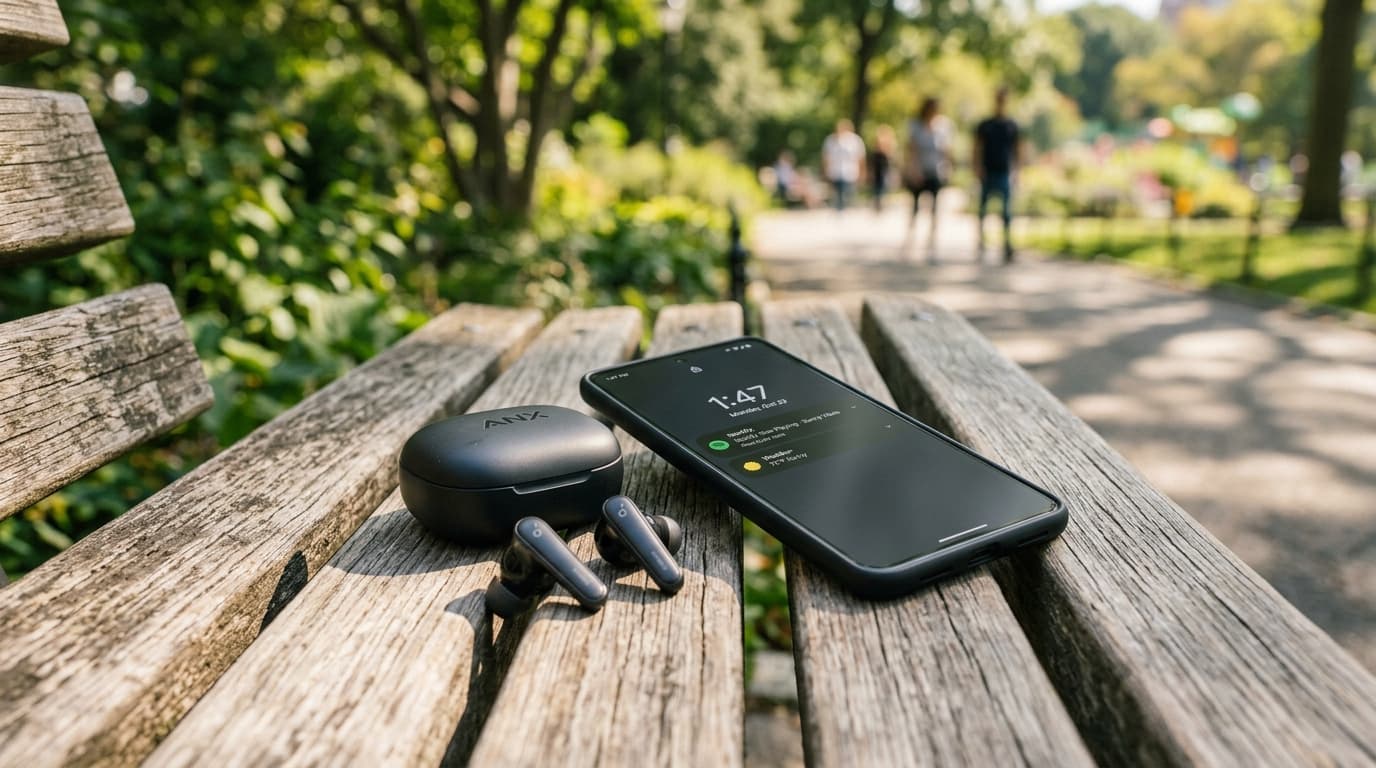
Audio lessons are one of the most underused tools in language learning. You can study Cantonese during your commute, while cooking, at the gym, or on a walk. These "hidden hours" add up to significant learning time that would otherwise be wasted.
For Cantonese specifically, audio learning is especially valuable because the language is fundamentally about sound. The six-tone system requires extensive listening practice, and the more native Cantonese audio you absorb, the faster your ear adapts.
Podcast-style audio lessons
CantoneseClass101
The most established Cantonese audio lesson platform. Each lesson is a podcast episode (10 to 20 minutes) featuring native speakers in conversation, followed by vocabulary breakdowns and grammar explanations. The library spans absolute beginner to advanced, with hundreds of lessons available.
Strengths: natural dialogue examples, cultural context, clear explanations in English. The hosts are engaging and make the lessons enjoyable rather than dry.
Limitations: purely passive learning. You listen and absorb, but the platform does not test your recall or pronunciation. Best used as a supplement to active practice.
Glossika
Glossika takes a unique approach: mass sentence repetition. You hear a Cantonese sentence, see the translation, and repeat it. The system gradually increases complexity and uses spaced repetition to schedule reviews. It is intensive and effective for building sentence patterns.
The Cantonese content is decent but not as culturally rich as CantoneseClass101. The method suits learners who prefer drilling patterns over learning grammar rules.
Audio features in learning apps
Most Cantonese learning apps include audio, but the quality and approach vary significantly:
YumCha records every word and sentence with native Hong Kong Cantonese speakers, not synthesized voices. The speech recognition feature turns passive listening into active practice: you hear a word, repeat it, and get scored on accuracy. This feedback loop is what makes audio practice truly effective for Cantonese tones.
The spaced repetition system also serves as an audio review tool. Each flashcard plays the native audio, training your ears even during routine vocabulary review.
Listening practice resources
Beyond structured lessons, immersing yourself in Cantonese audio accelerates comprehension:
- RTHK Radio: Hong Kong's public broadcaster streams online. Start with music channels, then progress to talk shows as your comprehension improves.
- TVB dramas: available on various streaming platforms. Start with Cantonese audio and English subtitles.
- Cantopop: music is excellent for absorbing pronunciation patterns. Artists like Eason Chan, Miriam Yeung, and MIRROR produce accessible, modern Cantonese pop.
- YouTube vlogs: Hong Kong-based YouTubers creating content in Cantonese provide natural, conversational listening practice.
How to get the most from audio lessons
Active listening beats passive listening. Instead of just having Cantonese playing in the background, try these techniques:
- Shadowing: repeat what you hear immediately after the speaker. Match their rhythm, intonation, and tone as closely as possible.
- Pause and predict: when listening to dialogues, pause before the response and try to guess what comes next.
- Listen, then read: listen to a passage first without text, then read the transcript, then listen again. Your comprehension will jump noticeably on the second listen.
- Focus sessions: dedicate 5 to 10 minutes to concentrated, distraction-free listening. This deep focus trains your ear faster than hours of background audio.
Audio lessons are the perfect complement to visual and interactive learning. Use an app like YumCha for structured vocabulary and grammar during focused study time, then switch to audio lessons during commutes and downtime. This combination maximizes your total learning hours without requiring extra time carved out of your schedule.